
The Benefits of Spinal Decompression for Back Pain Relief
At Prime Physical Therapy in Summit, MO, Dr. Kyo Hwang, PT, DPT, provides personalized spinal decompression therapy to relieve chronic back pain, reduce pressure on discs, and improve mobility, combining advanced techniques with supportive physical therapy strategies to help patients achieve long-term spinal health and enhanced comfort. For more information, contact us today or book an appointment online. We are conveniently located at 1161 NE Rice Rd Lee’s Summit, MO 64086.
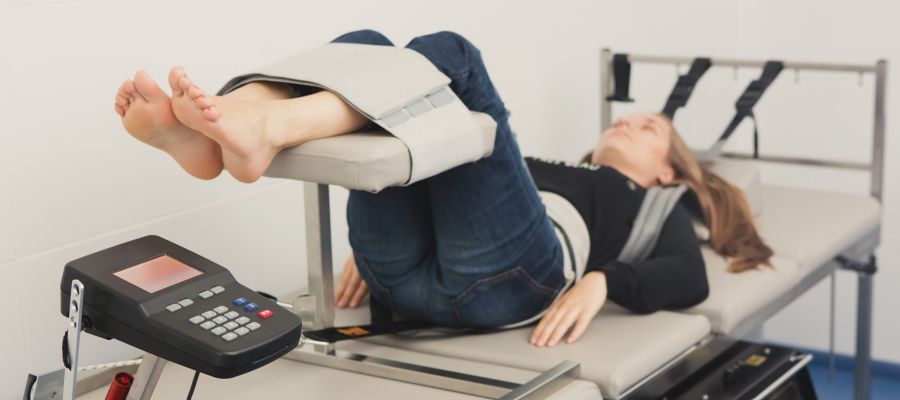
Table of Contents:
What is spinal decompression, and how does it relieve back pain?
How does spinal decompression work for back pain relief?
What conditions can spinal decompression treat?
Is spinal decompression effective for herniated or bulging discs?
How does Prime Physical Therapy use spinal decompression to provide effective back pain relief?
Spinal decompression is a non-invasive therapy designed to alleviate pressure on spinal discs and nerves, which are often the source of chronic back pain. At Prime Physical Therapy, spinal decompression is used to create gentle, targeted traction on the spine, helping to relieve compression in the lumbar and cervical regions.
When spinal discs are compressed due to herniation, bulging, or degenerative changes, nerve roots can become irritated, causing pain, numbness, or weakness in the back, legs, or arms. Spinal decompression works by stretching the spine intermittently, increasing the space between vertebrae, which helps reduce disc pressure, improve circulation, and encourage nutrient exchange in the affected area. This process promotes natural healing and can significantly reduce pain and discomfort over time.
During a spinal decompression session at Prime Physical Therapy, patients lie on a specialized table that gently stretches the spine in a controlled, computer-monitored manner. The therapy alternates between traction and relaxation cycles, which helps reduce intradiscal pressure, allowing herniated or bulging material to retract away from nerve roots.
The treatment also enhances blood flow and nutrient delivery to the discs, supporting tissue repair and reducing inflammation. Sessions are typically pain-free, and the degree of decompression is tailored to each patient’s specific condition, comfort level, and spinal structure.
Spinal decompression is effective for a variety of spinal conditions associated with nerve compression and disc degeneration, including:
● Herniated or bulging discs
● Degenerative disc disease
● Sciatica and nerve root irritation
● Facet joint disorders
● Chronic low back or neck pain
By targeting the source of pressure within the spine, spinal decompression can reduce nerve irritation, improve spinal alignment, and relieve both localized and radiating pain. Patients with chronic pain who have not responded fully to traditional physical therapy often benefit from this non-surgical alternative.
At Prime Physical Therapy, each patient undergoes a thorough assessment to determine if spinal decompression is appropriate, ensuring the treatment is both safe and effective for the individual’s specific condition.
Yes, spinal decompression is particularly effective for patients with herniated or bulging discs, which are common causes of chronic back pain and sciatica. By reducing pressure on the affected disc, decompression therapy can promote retraction of herniated material, alleviate nerve compression, and decrease inflammation.
Our team at Prime Physical Therapy shows that patients often report reduced pain, improved mobility, and enhanced quality of life after a series of decompression sessions. While results may vary depending on the severity of the disc issue and overall spinal health, combining decompression with strengthening exercises and posture training increases the likelihood of sustained relief and reduces the risk of recurring disc-related pain.
At Prime Physical Therapy, spinal decompression is customized to each patient. The process begins with a comprehensive evaluation, including a review of medical history, imaging results, and a physical assessment to identify the source of pain and nerve involvement.
Once a treatment plan is established, patients undergo carefully monitored spinal decompression sessions, which are adapted based on comfort level, tolerance, and progress. The therapy is always paired with supportive interventions such as targeted exercises, core strengthening, and postural training to reinforce spinal stability.
Our team emphasizes patient education, teaching individuals how to maintain proper posture, use ergonomic supports, and incorporate daily habits that reduce spinal stress. By combining decompression therapy with an overall plan for movement, strength, and flexibility, Prime Physical Therapy ensures that patients experience not only short-term relief but also long-term improvements in function and pain management.
Patients at Prime Physical Therapy benefit from a holistic, evidence-based approach to back care. By addressing both the structural and functional causes of pain, spinal decompression therapy at the clinic provides a non-surgical solution for herniated and bulging discs, sciatica, and other spinal conditions, helping patients regain mobility and live a more active, pain-free life. For more information, contact us today or book an appointment online. We are conveniently located at 1161 NE Rice Rd Lee’s Summit, MO 64086. We serve patients from Lee’s Summit, MO, Blue Springs, MO, Independence, MO, Raytown, MO, Lake Lotawana, MO, Greenwood, MO, Grain Valley, MO, and surrounding areas!
Check Out Our 5 Star Reviews



Additional Services You May Need
▸ Physical Therapy
▸ Manual Therapy
▸ Neurological Disorders
▸ Concussion Therapy
▸ Vestibular Rehabilitation
▸ Sports Medicine
▸ Kinesiotaping
▸ Dry Needling
▸ Graston Technique
▸ Trigger Point Release
▸ Neural Mobilization
▸ Muscle Energy Technique
▸ Joint Mobilization
▸ Knee Pain
▸ Soft Tissue Mobilization
▸ Electrical Stimulation
▸ Headache/Head pain
▸ Shoulder Pain
▸ Low Back Pain
▸ Ankle/Foot Pain
▸ Dizziness
▸ Arthritis Rehabilitation
▸ Multiple Sclerosis
▸ Parkinson’s Disease



 Send Text
 How May I Help You?